Source Low Reaction Impulse Pneumatic Screwdrivers for Auto, Wood, DIY
Find 30 low reaction impulse pneumatic screwdrivers from Chinese manufacturers. Compare models like LZ-6H and GT-G1, noting torque, speed, and origin. These tools suit automotive repair, woodworking, and industrial manufacturing applications; compare the available evidence and request quotations based on your requirements.
Key considerations
Products List
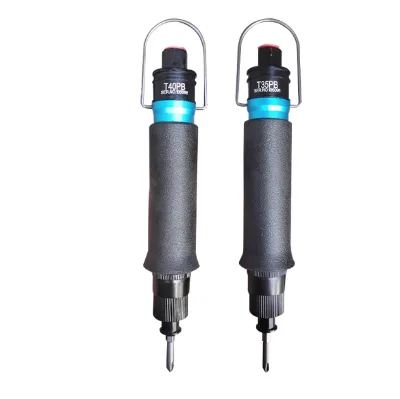


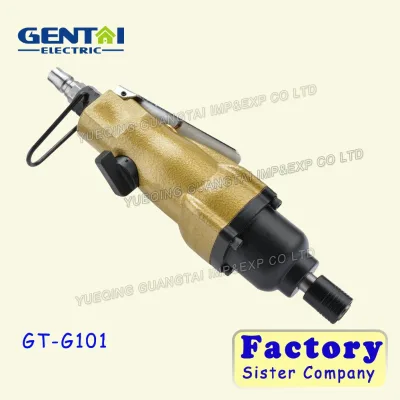
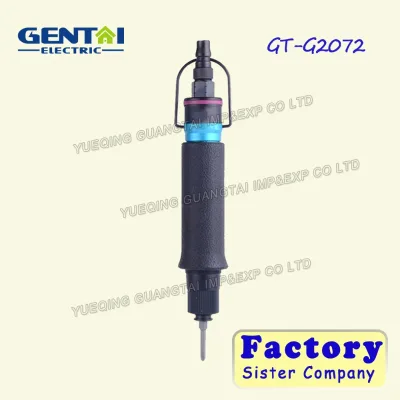


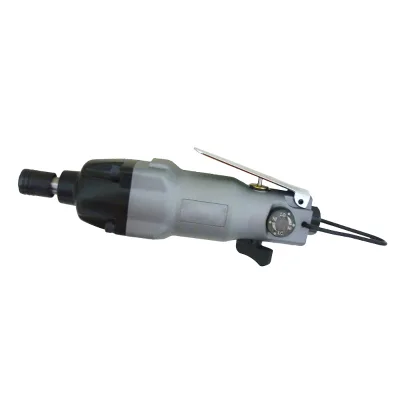
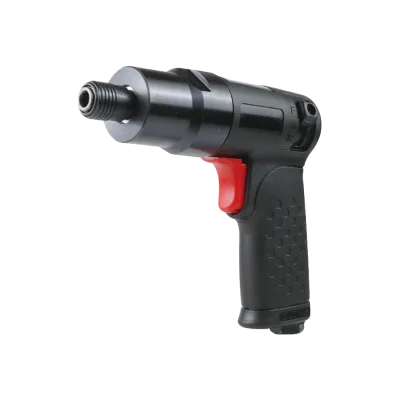


Comprehensive Sourcing Guide
Low Reaction Impulse Pneumatic Screwdrivers Sourcing Guide
Procuring low reaction impulse pneumatic screwdrivers requires a nuanced understanding of torque delivery mechanisms and ergonomic design. These tools are engineered to minimize rotational kickback, allowing operators to maintain precise control during high-speed fastening tasks. The absence of significant reaction torque reduces operator fatigue and prevents damage to delicate components, making them ideal for assembly lines where consistency is paramount. Buyers must distinguish between standard impact wrenches and true low-reaction models, as the latter often utilize internal gear systems or reverse-rotation mechanisms to cancel out torque forces.
The market offers a variety of configurations, from rotary-type tools to hand-press startup models, each suited for different operational environments. Observations from current listings indicate a wide range of specifications, including varying air pressures, free speeds, and torque outputs. Sourcing decisions should be driven by the specific application requirements, such as woodworking, metalworking, or automotive repair. Understanding the mechanical differences between these variants ensures that the selected tool aligns with production goals, balancing speed, precision, and durability for long-term operational efficiency.
Product Scope and Observed Listing Signals
Current market listings reveal a diverse array of pneumatic screwdriver models, with observed price points ranging from $0.50 to $3,395 USD. This broad spectrum suggests variations in build quality, brand reputation, and included accessories. Minimum order quantities (MOQs) typically span from 1 to 5,000 units, indicating flexibility for both small-scale procurement and large industrial contracts. Buyers should note that many suppliers offer customized options, allowing for tailored branding or specific technical adjustments to meet unique production needs.
Product attributes vary significantly across listings, with some items described as "New" and others as "Customized." Packing details also differ, with carton quantities ranging from 15 to 30 pieces per case, and gross weights varying from 1kg to 2.2kg. These logistical details are critical for calculating shipping costs and warehouse storage requirements. Additionally, some suppliers provide machinery test reports and certifications, which serve as indicators of manufacturing rigor. Buyers must carefully review these signals to assess the reliability and suitability of each product for their specific operational context.
Technical Specifications to Verify
Key technical parameters include air pressure requirements, free speed, and maximum torque output. Listings show air pressures around 6.3 psi and free speeds up to 12,000 rpm, with torque outputs ranging from 45 to 54 Nm. These figures must be matched to the fastening requirements of the target application. For instance, higher torque is necessary for larger screws or harder materials, while lower torque prevents stripping in delicate assemblies. Verifying the air inlet size, often 1/4 inch, ensures compatibility with existing plant air systems.
The working style and startup mode are also critical technical considerations. Rotary-type tools with hand-press startup mechanisms offer a balance of speed and control. Buyers should verify the degree of automation, as semi-automatic models may require additional integration with conveyor systems. Additionally, the exhaust direction and weight distribution affect ergonomics and operator comfort during extended use. Confirming these specifications with the supplier prevents mismatches between tool capabilities and production line requirements, ensuring optimal performance and safety.
Compliance and Safety Documentation
Safety and compliance are non-negotiable aspects of industrial tool procurement. Buyers should request machinery test reports and certification documents, such as ISO 9001, to verify manufacturing standards. These documents provide evidence that the supplier adheres to quality management systems, reducing the risk of defective products. While some listings mention ISOCE certification, buyers must clarify the exact scope and validity of these certifications with the supplier.
Documentation should also include detailed user manuals and safety guidelines, outlining proper operation and maintenance procedures. This information is essential for training operators and ensuring safe usage in the workplace. Buyers should verify that the tools meet relevant regional safety standards, particularly regarding noise levels and air quality. Requesting these documents upfront helps establish a baseline for supplier reliability and ensures that the purchased equipment integrates seamlessly into existing safety protocols.
Cost Drivers and Commercial Terms
Several factors influence the total cost of ownership for pneumatic screwdrivers. The brand, whether OEM or established names like LIZHOU or GENTAI, significantly impacts pricing. Customization options, such as branding or specific technical modifications, often incur additional fees. Buyers should also consider the packing density and gross weight, as these affect shipping costs and handling efficiency. Higher carton quantities may reduce per-unit shipping costs but increase initial inventory investment.
Commercial terms, including MOQs and payment conditions, vary widely among suppliers. Some sellers require discussion via WeChat or email for pricing, indicating a need for direct negotiation. Buyers should clarify lead times and warranty terms to avoid unexpected delays or costs. Understanding the full cost structure, including maintenance and spare parts availability, is crucial for accurate budgeting. Transparent communication with suppliers regarding these terms ensures a smooth procurement process and minimizes financial risks.
Supplier Qualification and Quality Control
Evaluating supplier qualifications is essential for securing reliable equipment. Buyers should assess the supplier’s production capacity, quality control processes, and after-sales support. Suppliers offering machinery test reports and ISO certifications demonstrate a commitment to quality. However, buyers must verify these claims independently, as not all listed certifications may be current or applicable to the specific product model.
Quality control measures should include routine inspections and testing of finished goods. Buyers should inquire about the supplier’s defect rate and return policy. Establishing a clear communication channel for technical support and troubleshooting is also vital. Suppliers located in regions like Zhejiang, China, often have established manufacturing ecosystems, but buyers must still conduct due diligence to ensure consistent quality. Building a relationship with a qualified supplier ensures long-term reliability and support for operational needs.
Long-Term Procurement Checks
Sustaining a successful procurement strategy requires ongoing evaluation of tool performance and supplier reliability. Buyers should monitor tool durability, maintenance frequency, and operator feedback to assess long-term value. Regular audits of supplier performance, including delivery times and product consistency, help identify potential issues early. Establishing a feedback loop with operators ensures that any ergonomic or performance concerns are addressed promptly.
Additionally, buyers should stay informed about technological advancements in pneumatic tools, such as improved energy efficiency or enhanced safety features. Periodic reviews of commercial terms and market prices help maintain competitive sourcing strategies. Building a diversified supplier base can mitigate risks associated with single-source dependencies. By continuously monitoring these factors, buyers can optimize their procurement processes and ensure that their pneumatic screwdriver investments deliver sustained value and operational efficiency.
FAQs
What is the maximum torque for the LZ-6H model?
The LZ-6H model delivers a maximum torque ranging from 45 to 54 Nm.ft-lb. This tool operates at a free speed of 12000 rpm with an air pressure requirement of 6.3 psi. It features a 1/4 inch air inlet and weighs 0.82 kg per piece, making it suitable for various industrial and DIY applications.
Can these pneumatic screwdrivers be customized for specific needs?
Yes, customization is available for these tools. The product attributes indicate that customized options are offered, allowing buyers to discuss specific requirements directly with the supplier. This flexibility supports tailored solutions for different industrial manufacturing, woodworking, or automotive repair projects.
What certifications do these tools hold?
These tools hold ISOCE certification and the manufacturer also provides ISO9001 certification. These standards ensure quality management and product reliability. The machinery test report is also provided, offering additional assurance of performance and safety for industrial and professional users sourcing from China.
How are these items packed for shipment?
Packing varies by model, with options including 15 pieces per carton, 25 pieces per carton, or 20 pieces per carton. Some items are packed in strong boxes. The gross weight ranges from 1 kg to 2.2 kg depending on the specific model and packaging configuration used for shipment.
Where are these pneumatic tools manufactured?
These tools are manufactured in China, specifically in locations such as Wenling and Taizhou in Zhejiang province. The products are labeled with OEM branding or specific brand names like LIZHOU and GENTAI, indicating their origin and manufacturing base within the Chinese industrial sector.
What is the minimum order quantity for these products?
The minimum order quantity ranges from 1 to 5000 pieces depending on the specific model and supplier terms. Buyers should discuss pricing and MOQ directly with the supplier via WeChat or email. This flexibility allows for both small trial orders and larger bulk purchases.